Fat loss vs weight loss is one of the most misunderstood concepts in fitness and health circles. While many people step on the weighing scale hoping for a lower number, they often overlook an important difference between fat loss and weight loss, which can change their long-term success. In 2026, with rising awareness of metabolic health amid global obesity rates climbing past 1 billion adults, understanding this difference matters more than ever for sustainable wellness.
This blog covers definitions, science-backed differences, myths, and actionable strategies. Whether you’re a beginner or experienced gym-goer, prioritizing fat loss over mere weight reduction can modify your body composition, boost energy, and reduce disease risk.
Let’s begin:
What is Weight Loss?
Weight loss means any reduction in total body weight, regardless of what’s being lost. This could include fat, muscle, water, glycogen stores, or even bone density in extreme cases. It’s the simplest metric: get on a scale, and if the number drops, you’ve “lost weight.”
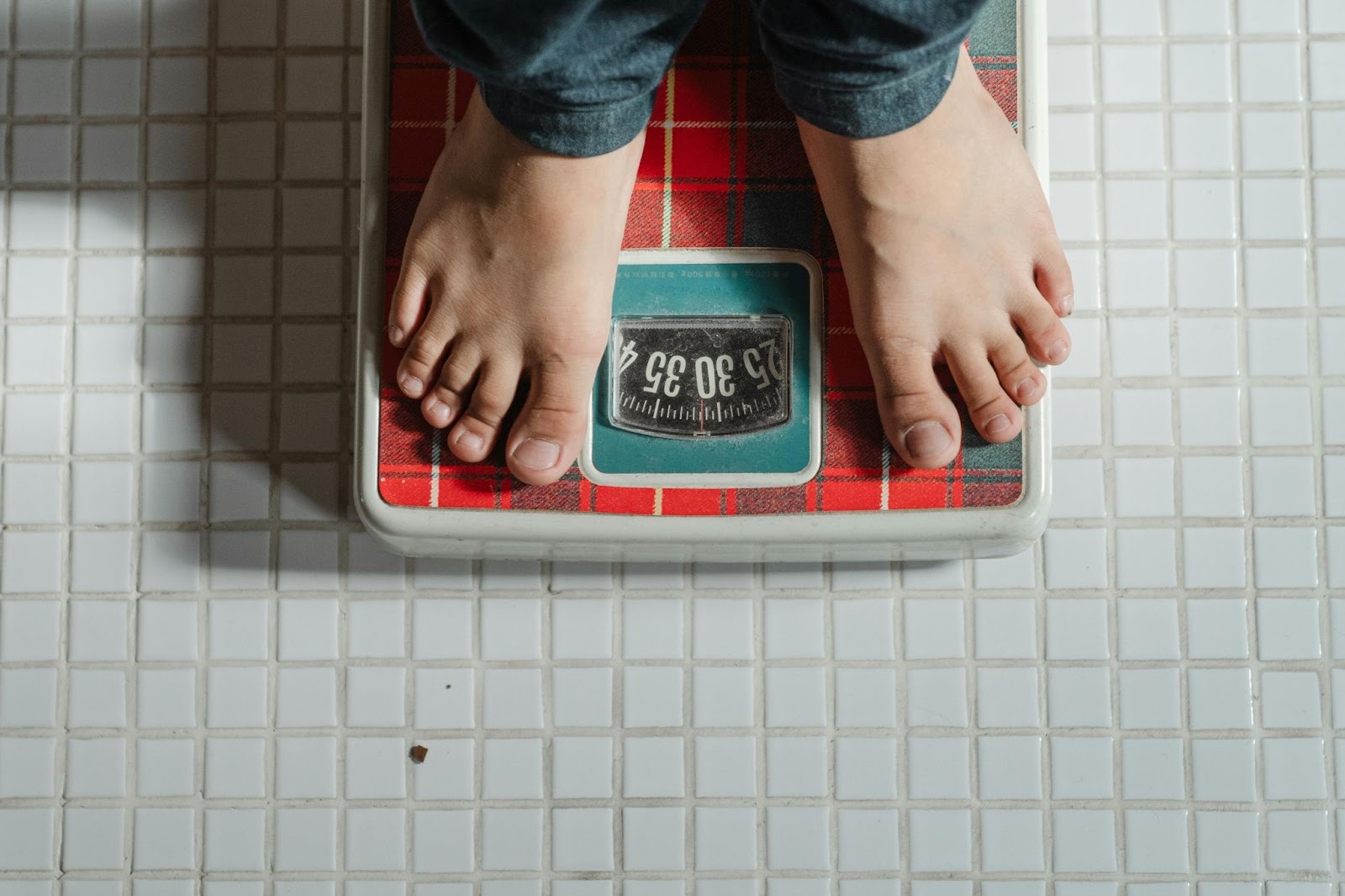
Common measurement tools include bathroom scales for daily tracking and Body Mass Index (BMI), a formula that divides weight in kilograms by height squared in meters. BMI categorizes under 18.5 as underweight, 18.5- 24.9 as normal, 25- 29.9 as overweight, and 30+ as obese. However, the difference between weight loss and fat loss becomes obvious here. BMI doesn’t distinguish muscle from fat, sometimes mislabeling athletes as overweight.
In practice, rapid weight loss from crash diets or dehydration (like pre-competition “water cuts”) feels rewarding short-term but rebounds quickly.
What is Fat Loss?
Fat loss specifically targets adipose tissue, the stored energy in fat cells while aiming to preserve lean muscle mass, organs, and water balance. It’s about improving body composition: the ratio of fat to lean mass. For men, healthy body fat is 10- 20% and for women it is 18–28%, because of essential fat in hormones and reproduction.
Unlike scale weight, fat loss is measured precisely with tools like DEXA scans (gold standard, accurate to 1- 2% error), hydrostatic weighing, skinfold calipers, or bioelectrical impedance analysis (BIA) scales. These reveal visceral fat (dangerous deep abdominal fat) vs. subcutaneous (under-skin) fat.
Fat Loss vs Weight Loss: Key Differences
If you are setting your goals, you should know the difference between fat loss and weight loss. Weight loss is blunt and non-specific; fat loss is targeted and sustainable. Here’s a detailed comparison:
Physiologically, weight loss activates cortisol spikes and muscle catabolism during deficiency without protein/training. Fat loss uses hormones like glucagon and growth hormone, mobilizing triglycerides from fat cells. Metabolically, retaining muscle prevents adaptive thermogenesis, the body’s efficiency mode that stops progress. Practically, fat loss demands patience but yields confidence from mirror/clothes changes over scale obsession.
Why Fat Loss Matters More Than Just Weight Loss
In an era where obesity affects 42% of US adults (CDC 2025 data) and links to 4 million annual deaths globally (WHO), fat loss trumps weight loss for holistic health. Excess visceral fat inflames organs, raising heart disease risk by 2–3x and metabolic syndrome by 5x.
Muscle retention during fat loss maintains BMR, crucial as it declines 2–8% per decade post-30. A 2026 fitness trend report from ACSM notes 65% of programs now emphasize composition tracking. Long-term, fat loss improves leptin sensitivity (hunger hormone), curbing cravings, and enhances mobility, vital for aging gracefully.
Consider metabolic health: Low muscle mass (sarcopenia) from weight loss correlates with prediabetes, while fat loss via resistance training reverses it. Women benefit hormonally, stabilizing estrogen; men see testosterone boosts up to 15%. Ultimately, it’s about vitality: feeling strong, energetic, and resilient, not just lighter.
Common Myths About Fat Loss and Weight Loss
Misinformation troubles your fitness, so let’s debunk top myths with evidence.
Myth 1: Spot reduction works. Crunches won’t melt belly fat; fat mobilization is systemic, dictated by genetics and hormones.
Myth 2: Carbs are the enemy for fat loss. Quality matters—whole grains fuel workouts without insulin spikes like refined sugars. Harvard studies show low-carb vs. balanced diets yield similar fat loss if calories match.
Myth 3: More cardio equals faster fat loss. Excessive steady-state cardio elevates cortisol, eating muscle.
Myth 4: Supplements like fat burners are magic. Most (e.g., caffeine-based) offer marginal 5–10% boosts; diet/training drive 90% results. FDA warns of unproven claims.
Myth 5: Weight loss plateaus mean failure. Normal adaptation—adjust via refeeds or progressive overload. Experts like Layne Norton, PhD, stress consistency over perfection.
These myths fuel frustration; science favors nuance.
How to Prioritize Fat Loss Over Weight Loss (Actionable Tips)
Shift to fat loss with this blueprint evidence-based for 2026 standards.
Diet Tips
- Prioritise Protein: Aim 1.6–2.2g/kg body weight (e.g., 120–160g for 70kg person). Sources: chicken, eggs, whey, legumes. A 2025 ISSN position stand shows it preserves 70% more muscle in deficits.
- Increase Calorie Quality: 500–750kcal daily deficit (20% below maintenance). Fill 80% of your plate with veggies, fiber-rich carbs, healthy fats (avocado, nuts). Track via apps like Cronometer.
- Time your Nutrients: Protein every 3–4 hours; carbs post-workout for glycogen refill without fat storage. Intermittent fasting (16:8) aids some, but not superior per recent trials.
Training Guidance
- Strength First: 3–5 sessions/week, compound lifts (squats, deadlifts, presses).
- Progressive overload: add 2.5–5% weight weekly. Builds 1–2lbs muscle/month beginners.
- Cardio Smart: 2–3 HIIT sessions (20–30min) + LISS (low-intensity steady state) walks. Total NEAT (non-exercise activity) burns 300–500kcal daily.
- Frequency: Full-body or push-pull-legs splits for recovery.
Lifestyle Factors
- Sleep Optimization: 7–9 hours/night. Poor sleep halves fat loss efficacy (2024 Sleep Medicine review).
- Stress Management: Meditate 10min/day, yoga. Track HRV via wearables.
- Tracking: Weekly photos, measurements, BIA scans, not daily weighs. Adjust every 2–4 weeks.
Consistency yields about 1% fat loss/week safely.
Conclusion
Knowing fat loss vs weight loss is a strategy for lasting health. Prioritize the difference between fat loss and weight loss: target composition for metabolic edge, tone, and vitality. Don’t rely just on scale fixation; try strength, protein, and patience.
Ready? Track body fat today, build a routine, consult a coach. Share your journey below- what’s your first step?
FAQs
Can you lose fat without losing weight?
Yes, by gaining muscle while reducing fat—your scale stays stable, but body composition improves.
Why is the scale misleading for progress?
It doesn’t distinguish fat from muscle or water; use body fat measurements or tape for accuracy.
Does weight loss always mean fat loss?
No, rapid weight loss often includes muscle and water, slowing metabolism and risking regain.
How do you achieve fat loss over weight loss?
Combine strength training, high protein (0.7-1g per lb body weight), and moderate calorie deficits.
Is cardio or weights better for fat loss?
Weights first to preserve muscle and boost metabolism; cardio supplements.
How fast should fat loss happen?
Aim for 0.5-1 kg (1-2 lbs) weekly to minimize muscle loss.
What if weight goes up during fat loss?
Normal from muscle gain, water, or food- track strength and measurements instead.
Why prioritize fat loss for health?
It lowers inflammation, improves insulin sensitivity, and supports sustainable results unlike generic weight loss.