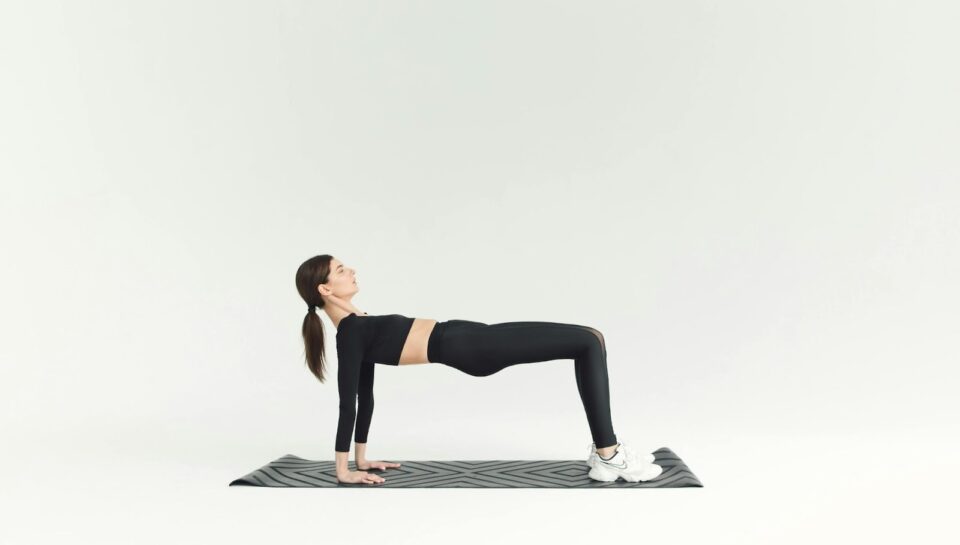
Kegel exercises, also known as pelvic floor muscle training, strengthen the muscles supporting your bladder, bowel, and reproductive organs. Named after Dr. Arnold Kegel who popularized them in the 1940s, these simple contractions target the pubococcygeus (PC) muscles in the pelvic floor.
Kegel Exercises Meaning?
The kegel exercises meaning revolves around repeatedly squeezing and relaxing the pelvic floor to build strength and endurance. These muscles form a hammock-like structure at the base of your pelvis, crucial for continence and organ support. Unlike crunches or squats, Kegels are invisible and can be done anywhere discreetly.

This image highlights how Kegels target the pelvic region for better control and health benefits.
Why Strengthen Your Pelvic Floor?
Weak pelvic floors affect millions worldwide. Studies show up to 1 in 3 women experience urinary incontinence after childbirth, often improved by Kegels. Men benefit too, especially post-prostate surgery where 5-10% face leakage issues. Regular practice enhances core stability and daily function.
What Are the Benefits of Kegel Exercises?
Kegel exercises offer wide-ranging advantages for both genders.
– Bladder and Bowel Control: They reduce urine leaks during coughing or laughing (stress incontinence) by 50-70% in many cases.
– Sexual Health Boost: Women report stronger orgasms and vaginal tone; men gain better erections and ejaculatory control.
– Postpartum Recovery: New moms regain strength faster, with one study showing 8-week programs cutting prolapse risk.
– Prostate Support: For men, Kegels ease prostatitis pain and aid recovery after surgery.
– Core and Back Pain Relief: Stronger pelvic floors improve posture and reduce lower back strain.
A 2025 review noted consistent Kegel users saw quality-of-life scores rise by 20-30%.
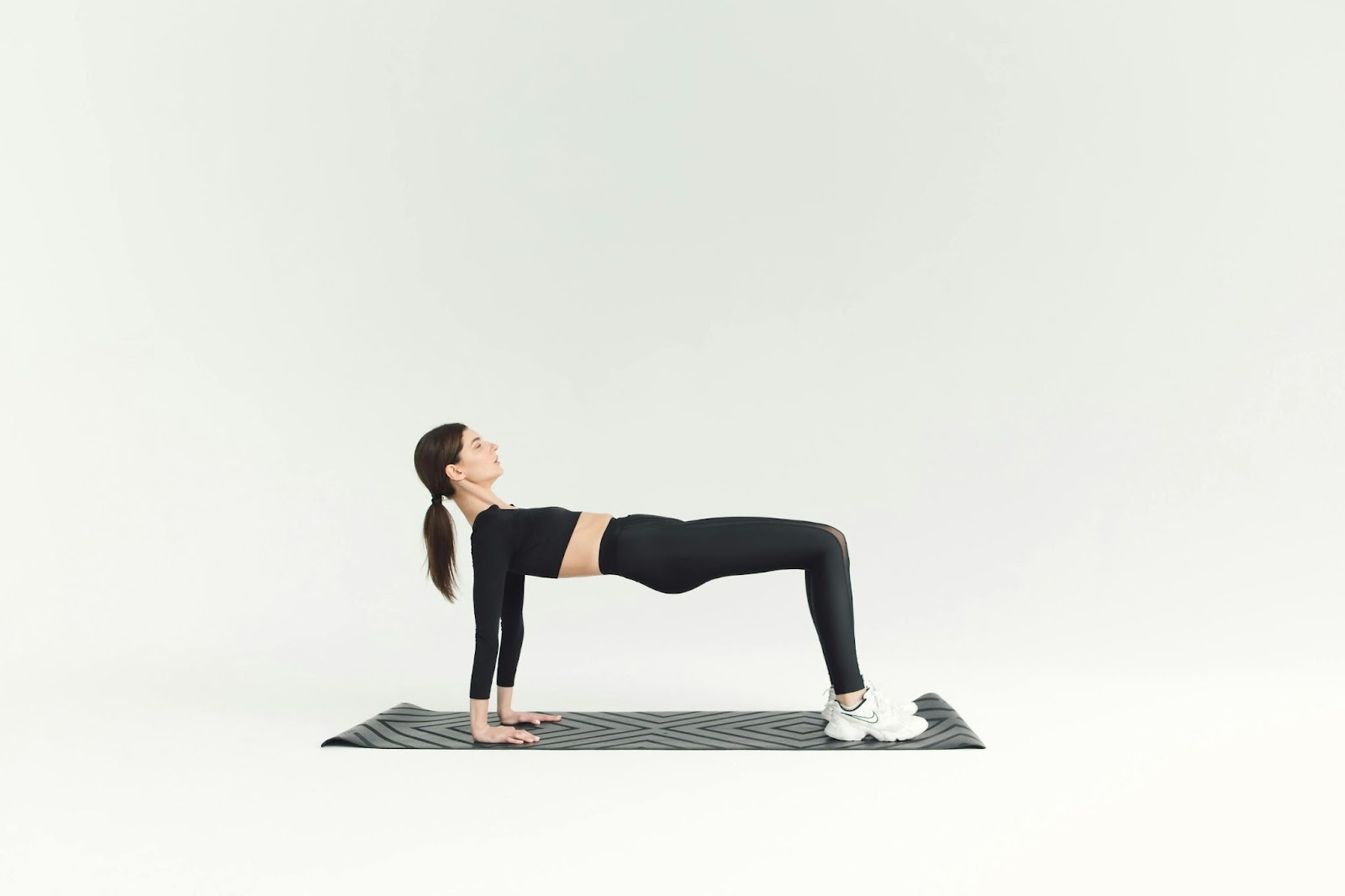
This image illustrates pelvic floor engagement in exercises like bridges, key for incontinence prevention.
Who Should Do Kegel Exercises?
Everyone can benefit, but certain groups see the most gains.
– Pregnant women preparing for labor.
– Postmenopausal individuals combating estrogen-related weakening.
– Athletes or those with sedentary jobs.
– Men over 50 or after urological procedures.
Stats reveal 25% of U.S. women over 20 have incontinence, making Kegels a preventive powerhouse.
How Do Kegel Exercises Work?
Kegels train the pelvic floor through contraction (squeeze) and relaxation phases. This builds muscle tone, much like bicep curls for arms. The mechanism improves nerve signaling and blood flow to the area. Short, daily sessions yield progressive strength over 4-12 weeks.
What Is Pelvic Strengthening?
Pelvic strengthening via Kegels fortifies the levator ani muscle group. It prevents organ prolapse (e.g., bladder dropping) and supports daily activities like lifting. Think of it as gym work for your body’s foundation.
How to Find Your Pelvic Floor Muscles?
Identifying the right muscles is step one.
-Stop Urination Midstream: The muscles you use are your pelvic floor—try once to feel, never routinely.
– Women: Insert a clean finger vaginally and squeeze; feel the grip.
– Men: Contract as if holding in gas or stopping urine flow.
– Avoid tensing abs, thighs, or buttocks and breathe normally.
If unsure, consult a pelvic physiotherapist for biofeedback tools.
How to Do Kegel Exercises Correctly?
Master technique for results- wrong form wastes time.
1. Position: Lie down first, then progress to sitting/standing.
2. Contract: Squeeze up and in for 3-5 seconds, like lifting a blueberry internally.
3. Relax: Release fully for equal time (3-5 seconds).
4. Repeat: 10 reps per set, 3 sets daily.
5. Progress: Hold 10 seconds, add quick flicks (1-second squeezes).
Breathe steadily; don’t hold breath. Try apps or trainers, they will help you track.
What Is a Beginner Kegel Routine?
Start simple for consistency. Follow the steps in this table:
| Week | Hold Duration | Reps per Set | Sets per Day | Rest Period |
| 1–2 | 3 sec | 10 | 3 | 3 sec |
| 3–4 | 5 sec | 10–15 | 3 | 5 sec |
| 5+ | 10 sec | 15 | 3–4 | 10 sec |
Do in varied positions: lying, sitting, standing. Example: Morning commute squeezes.
How Long Until Kegel Results Show?
Patience pays off. Initial bladder improvements appear in 4-6 weeks. Sexual benefits may take 8-12 weeks of daily practice. A study of 80 women found 66% incontinence-free after 3 months. Track progress with a journal.
Factors like age and consistency affect speed. Older adults may need 3-6 months.
What Are Realistic Kegel Results?
Expect:
– 70% reduction in leaks for mild cases.
– Enhanced orgasm intensity (self-reported by 60% of practitioners).
– Lower prolapse risk by 40% in at-risk women.
Men: Up to 40% better erectile function scores. Long-term: Sustained pelvic health into later years.
What Are the Risks of Kegel Exercises?
Kegels are low-risk but not risk-free.
– Over-tightening: Too many reps cause pelvic pain or incomplete relaxation.
– Incorrect Form: Strains unrelated muscles, worsening back pain.
– Side Effects: Soreness if starting too intensely, rest 1-2 days.
Limit to 30-50 reps daily max.
What Are Contraindications for Kegels?
Avoid or modify if:
– Acute pelvic pain or infection.
– Unhealed postpartum tears (wait 6 weeks).
– Pelvic organ prolapse (Stage 3+ needs PT first).
– Rectal/anal issues like fissures.
– Pregnancy complications- doctor approval required.
Consult pros for tailored advice.
Tips for Kegel Success
– Integrate into routines: Brush teeth, wait at lights.
– Use aids: Balls, cones, or apps for feedback.
– Pair with cardio for synergy.
– Track weekly: Note leak frequency.
For individuals who struggle to perform Kegels correctly or consistently, assisted technologies like the Emsella chair can help. Emsella uses high-intensity focused electromagnetic (HIFEM) energy to stimulate deep pelvic floor muscle contractions, essentially delivering thousands of Kegel-like contractions in a single session. It can be particularly useful for those with weak muscle awareness, post-surgical recovery, or severe incontinence where voluntary exercises are difficult to perform effectively.
FAQs
What is kegel exercises?
Kegel exercises are pelvic floor contractions to strengthen muscles aiding bladder control, sex, and organ support.
What is kegel exercises meaning in detail?
It means targeted squeezes of pubococcygeus muscles to prevent incontinence and enhance function.
Can men do Kegel exercises?
Yes, men benefit for prostate health and erections.
How often should you do Kegels?
3 sets daily, 10-15 reps each.
Do Kegels make you tighter?
Yes, they improve vaginal/muscle tone for better sensation.
When to stop Kegels?
If pain persists or post-consult with doctor for conditions.
Are Kegels safe during pregnancy?
Generally yes, but confirm with your OB-GYN.