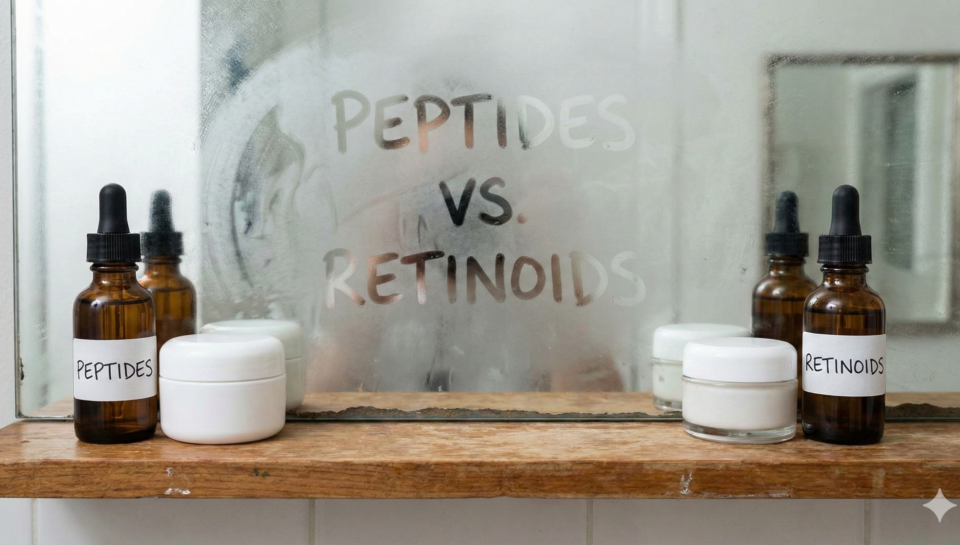
Walk into any high-end beauty store or scroll skincare content for a few minutes and confusion sets in fast. The skincare industry thrives on trends and buzzwords. One year it is aggressive exfoliation. The next is barrier repair. Now the spotlight is on two powerhouse ingredients that seem to be competing for the same spot in your routine: retinoids and peptides.
If you are standing in front of the mirror in Peoria wondering which serum is actually worth your money, the answer is not about choosing a winner. It is about understanding what each ingredient does and how they work differently on your skin.
Here is all you need to know about peptides vs. retinoids.
Understanding Retinoids
What Are Retinoids?
Retinoids are derivatives of vitamin A. This category includes prescription tretinoin as well as over-the-counter options like retinaldehyde and retinol.
Retinoids do not sit on the surface of the skin. They penetrate deep into the dermis and bind to specific receptors inside skin cells. These receptors influence gene expression, meaning retinoids directly affect how your skin cells behave.
What Do Retinoids Do?
Retinoids accelerate cell turnover. They help shed dead skin cells, unclog pores, and stimulate the production of new collagen while slowing the breakdown of existing collagen.
This is why dermatologists consider retinoids the gold standard for skin transformation. They are clinically proven to improve:
- Deep wrinkles
- Acne
- Uneven skin tone
- Sun damage
- Skin texture
With consistent use over six to twelve months, retinoids can structurally change the skin.
The Drawbacks of Retinoids
Retinoids are powerful, and that power often comes with side effects during the adjustment phase. Many users experience dryness, peeling, redness, and irritation commonly referred to as the retinoid uglies.
Successful use requires patience, consistent sunscreen use, and a willingness to tolerate temporary discomfort for long-term improvement.
Understanding Peptides
What Are Peptides?
Peptides are short chains of amino acids. Amino acids are the building blocks of proteins such as collagen and elastin, which are essential for firm, resilient skin.
In skincare, peptides function primarily as signaling molecules.
What Do Peptides Do?
When collagen breaks down naturally, it releases peptides. Applying peptides topically sends a signal to the skin that repair is needed. In response, the skin increases production of collagen, elastin, and hyaluronic acid.
Peptides are known for being gentle and supportive rather than aggressive.
Benefits commonly associated with peptides include:
- Improved hydration
- Stronger skin barrier
- Increased skin plumpness
- Smoother texture
- Reduced appearance of fine lines
Some peptides are marketed as topical alternatives to injectables. While they do not paralyze muscles, they can soften expression lines and improve overall skin quality without irritation.
Retinoids vs. Peptides: How to Choose
Choose Retinoids If
- Your primary concerns are deep wrinkles, acne, or sun damage
- Your skin can tolerate strong active ingredients
- You are consistent with sunscreen use
- You want long-term structural skin change
Retinoids deliver the most dramatic and measurable results when skin tolerance allows.
Choose Peptides If
- You have sensitive skin or rosacea
- Your skin barrier is compromised
- You are pregnant or breastfeeding
- Your main goals are hydration, barrier repair, and subtle firming
Peptides are ideal for maintaining skin health without irritation or downtime.
Using Retinoids and Peptides Together
Why Combination Works
For many patients, the best results come from using both ingredients strategically rather than choosing one over the other.
Retinoids drive skin renewal and collagen production. Peptides support barrier repair, hydration, and recovery.
How to Combine Them Safely
A common approach is:
- Morning: Peptide serum to hydrate and protect the skin
- Night: Retinoid for deep cellular repair
Some advanced formulations include both ingredients, using peptides to buffer irritation caused by retinoids.
For beginners, a buffering or sandwich method can help. Apply a light peptide moisturizer, then the retinoid, followed by another layer of moisturizer. This reduces irritation while maintaining effectiveness.
The Reality of Skincare Consistency
Skincare is both science and personal tolerance. A strong retinoid is ineffective if it causes irritation severe enough that you stop using it. Consistency always outperforms intensity.
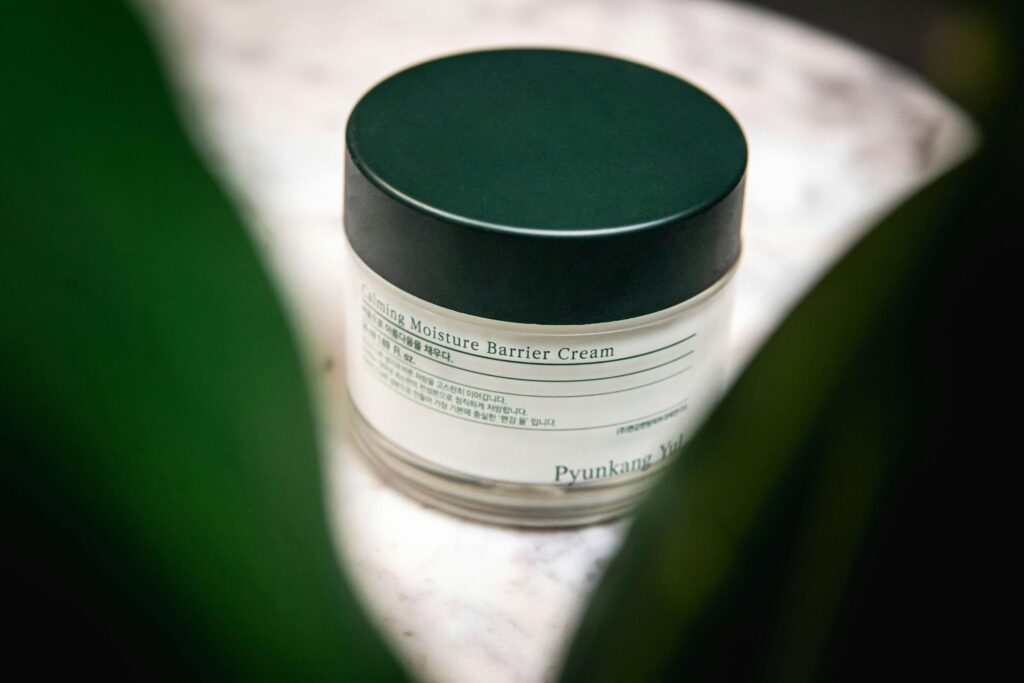
A peptide serum used daily for years will outperform a retinoid that stays unused in a drawer.
Professional Guidance Matters
At Eterna Wellness MD, located at 21753 N 77th Ave in Peoria, skincare protocols are built around individual skin biology. Some patients benefit from prescription-strength retinoids. Others achieve better results with advanced peptide regimens or a carefully balanced combination.
Your skin is a long-term investment. The right strategy is the one you can maintain safely and consistently.
Peptides vs. Retinoids FAQs
Are retinoids better than peptides?
Retinoids are more powerful for reversing visible aging and acne, but they are also more irritating. Peptides are gentler and better for maintenance, hydration, and barrier repair. Neither is universally better.
Can I use peptides and retinoids together?
Yes. Many routines successfully combine peptides and retinoids by using peptides for hydration and recovery and retinoids for nighttime repair.
Are peptides safer for sensitive skin?
Yes. Peptides are generally well tolerated and suitable for sensitive skin types and those with barrier issues.
Can I use retinoids during pregnancy?
No. Retinoids are typically contraindicated during pregnancy and breastfeeding. Peptides are a safer alternative during this time.
How long does it take to see results?
Peptides often improve hydration and plumpness within weeks. Retinoids typically take several months of consistent use to deliver visible structural changes.
Do I need a prescription retinoid?
Not always. Over-the-counter retinoids can be effective for mild concerns. Prescription retinoids may be appropriate for advanced aging or acne under medical supervision.
Contact Eterna Wellness MD today to build your custom skincare strategy.