There is a specific frustration many people experience in their forties and fifties. You prioritize protein. You work out multiple times a week. You sleep as well as life allows. Yet fat loss stalls, muscle tone does not return, and fatigue feels constant.
This is not a lack of effort. It is a shift in biology.
As hormone levels change with age, the body’s internal environment no longer supports the same results from diet and exercise alone. Hormones, nutrition, and movement are not separate systems. They are interconnected and interdependent. When aligned correctly, they create results that none of them can achieve on their own.
The Biological Foundation: What Is BHRT?
Bioidentical hormone replacement therapy, or BHRT, uses hormones that have the same molecular structure as those naturally produced by the body. These include estradiol, progesterone, and testosterone.
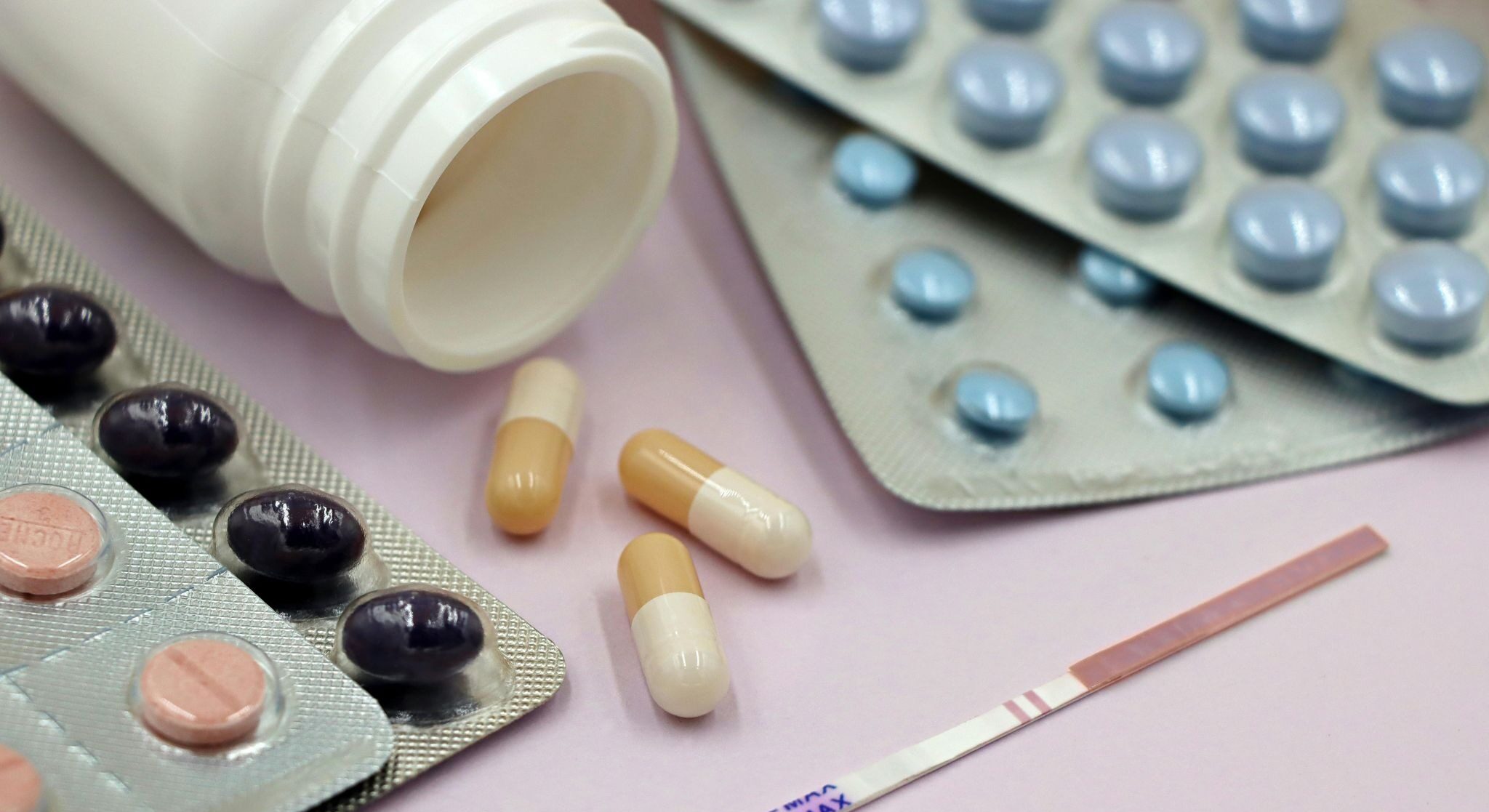
Because bioidentical hormones match the body’s own hormones, they bind efficiently to hormone receptors and are metabolized predictably. This differs from older synthetic hormones, which often interacted imperfectly with receptors and increased side effects.
Bioidentical progesterone, in particular, plays a key role in calming the nervous system and improving sleep quality. Hormones act as messengers. They do not build muscle or burn fat directly, but they determine how effectively the body responds to diet and exercise.
The Muscle and Bone Equation
Declining estrogen and testosterone accelerate muscle loss and bone density loss with age. Resistance training remains essential, but without adequate hormone signaling, the body stays in a tissue breakdown state.
Testosterone and estrogen are required for muscle repair and growth after exercise. When BHRT is combined with strength training, muscle recovery improves and bone loss slows. Exercise provides the stimulus. Hormone optimization provide the biological permission.
Together, they offer stronger protection against frailty, spinal bone loss, and hip fractures than either approach alone.
Metabolic Health and Insulin Sensitivity
Hormonal decline is closely tied to insulin resistance, especially during menopause and andropause. This is why abdominal fat often increases even without changes in diet.
Hormone therapy has been shown to improve insulin sensitivity and reduce the risk of developing type 2 diabetes. When paired with a diet rich in quality protein, complex carbohydrates, and healthy fats, these effects become more pronounced.

Key nutrients such as vitamin B12, folate, and magnesium support hormone metabolism and blood sugar regulation. Aligning BHRT with proper nutrition helps reset metabolic balance rather than fighting it.
The Timing Hypothesis: Heart and Brain Health
Starting hormone optimization therapy earlier, ideally within ten years of menopause or before age 60, is associated with better cardiovascular and cognitive outcomes.
Transdermal estrogen delivery avoids first-pass liver metabolism and does not increase clotting risk. Combined with regular cardiovascular exercise, it helps preserve arterial flexibility and heart health.
Estrogen also supports brain blood flow and glucose utilization. Early intervention, along with a diet rich in omega-3 fatty acids and antioxidants, helps protect cognitive function over time.
Skin, Sleep, and Mood Benefits
Hormonal fluctuations are a major contributor to sleep disruption, anxiety, mood changes, and mental fog during midlife. Bioidentical progesterone supports deeper, more restorative sleep and nervous system balance.
Better sleep lowers cortisol levels. Lower cortisol improves fat regulation, recovery from exercise, and emotional stability.
Estrogen supports collagen production, skin thickness, and hydration. When paired with adequate protein intake and hydration, the body can actively repair connective tissue and improve skin resilience.
A Personalized Path Forward
There is no single hormone protocol that works for everyone. Delivery methods, dosing, and combinations must be tailored to the individual. Hormone therapy is not a cure on its own. It is one component of a broader strategy.
At Eterna Wellness MD, care focuses on integrating hormone optimization with nutrition and movement, using FDA-approved bioidentical hormones whenever possible to ensure safety and consistency.
Located in Peoria at 21753 N 77th Ave, Eterna Wellness MD emphasizes system-level optimization rather than symptom-only treatment.
Aging is inevitable. Loss of vitality does not have to be.
The Triad of Vitality FAQs
What is the triad of vitality?
The triad of vitality refers to the combined approach of hormone optimization, proper nutrition, and structured exercise. These three elements work together to support energy, strength, metabolism, and long-term health, especially during midlife.
What role does BHRT play in the triad?
BHRT provides the hormonal foundation that allows the body to respond effectively to diet and exercise. Without balanced hormones, muscle building, fat loss, and recovery become significantly more difficult.
Can diet and exercise work without hormone therapy?
They can help, but results are often limited when hormone levels are low. Hormones regulate how the body uses nutrients and responds to physical stress. When hormones are optimized, the same diet and exercise routine produces better results.
Who may benefit from combining BHRT with lifestyle changes?
Individuals experiencing menopause, perimenopause, andropause, low energy, stubborn weight gain, muscle loss, poor sleep, or metabolic slowdown may benefit from an integrated approach.
Is this approach safe?
When supervised by a qualified medical provider and using regulated, FDA-approved bioidentical hormones, this approach is considered safe for appropriate candidates. Ongoing monitoring is essential.
How soon can results be noticed?
Some people notice improvements in sleep and energy within weeks. Changes in body composition, strength, and metabolic health typically develop over several months as systems rebalance.
Is hormone therapy alone enough?
No. Hormone therapy is a tool, not a replacement for healthy habits. Nutrition and exercise are required to translate hormonal signals into real physical improvements.
How do I know if this approach is right for me?
A comprehensive evaluation that includes symptoms, medical history, blood work, nutrition, and movement patterns is required. A personalized plan should always be developed with a medical professional.