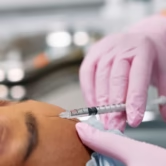
Platelet-Rich Plasma (PRP) therapy harnesses your body’s own platelets to promote healing in chronic pain conditions like osteoarthritis and tendonitis. This minimally invasive treatment is gaining traction as a natural alternative to medications and surgery. This blog includes 5 key benefits of PRP therapy, with risks, contraindications and costs so that you can take an informed decision. Let’s begin:
What Is PRP Therapy?
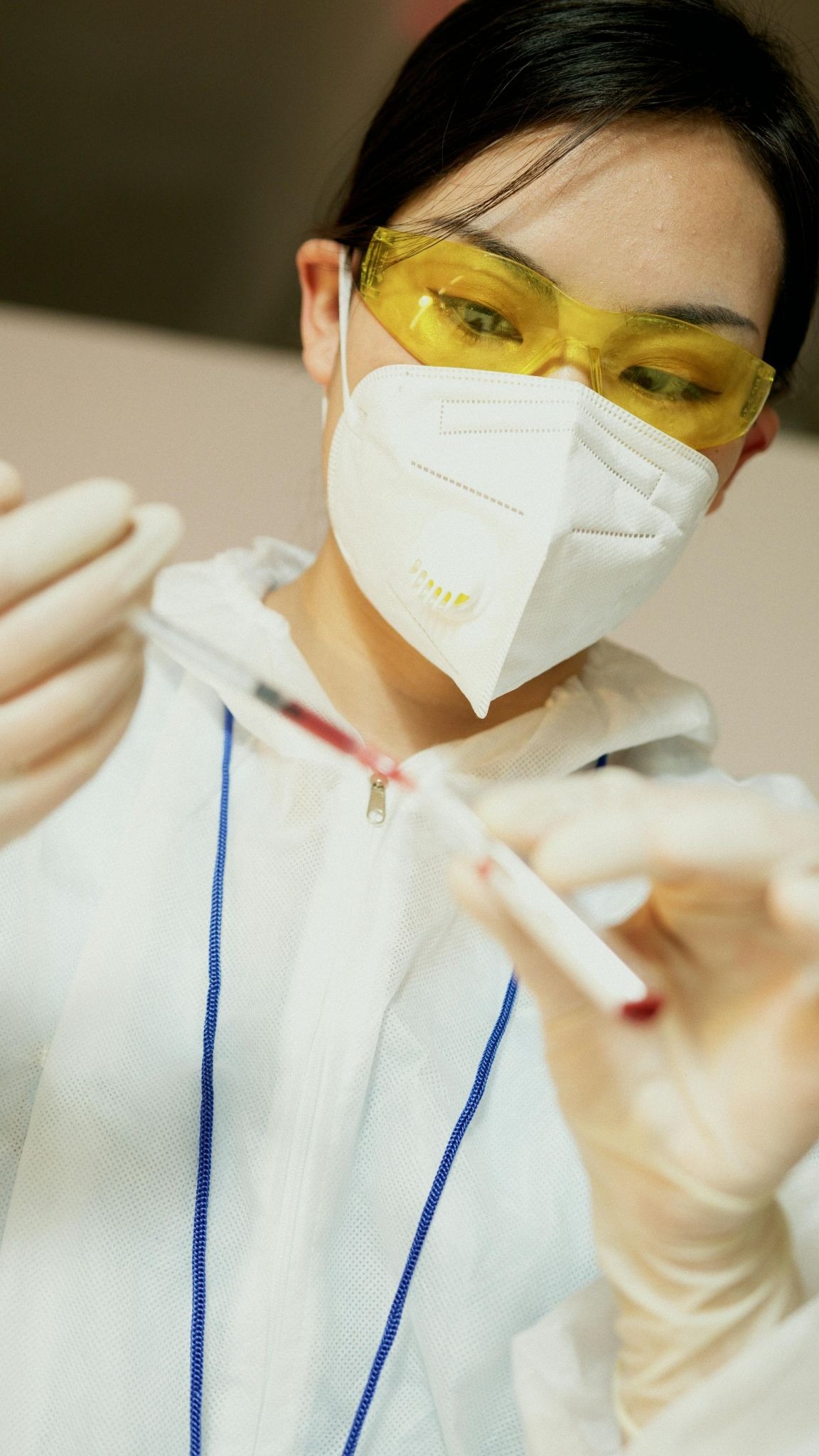
PRP therapy involves drawing a small blood sample, concentrating the platelets, and injecting them into painful areas. These platelets release growth factors that stimulate tissue repair and reduce inflammation.
Rich in healing proteins, PRP accelerates recovery for joint and soft tissue issues. Patients often report noticeable improvements after 1-3 sessions.
Why Choose PRP Therapy for Chronic Pain?
Chronic pain affects over 50 million U.S. adults, limiting daily activities. Traditional options like opioids carry addiction risks, while PRP offers regenerative benefits without synthetic drugs.
A 2025 meta-analysis of 56 studies (7,142 patients) found PRP significantly reduces pain compared to placebo (SMD -0.37). This positions PRP as a superior choice for long-term relief. Here are the 5 benefits of PRP Therapy:
Benefit 1: Accelerates Natural Tissue Healing
PRP jumpstarts your body’s repair process by delivering concentrated growth factors to damaged tissues. For chronic pain from tendon tears or arthritis, this promotes collagen production and new blood vessel formation.
In knee osteoarthritis, high-platelet PRP achieves clinically meaningful improvements at 12 months post-treatment. Patients like Greg, 48, hiked pain-free six months after sessions, despite initial soreness.
Studies show 50-70% success rates in selected cases, outperforming low-platelet versions.
Benefit 2: Reduces Inflammation Effectively
Chronic inflammation fuels ongoing pain in conditions like plantar fasciitis or rotator cuff issues. PRP’s anti-inflammatory properties calm overactive responses, easing swelling and discomfort.
A meta-analysis confirmed PRP’s edge over corticosteroids for durable relief in noncancer pain. Users note less joint stiffness within weeks, allowing better mobility.
This benefit shines in knee OA, where pain scores drop significantly at 3-6 months.
Benefit 3: Provides Long-Lasting Pain Relief
Unlike short-term meds, PRP offers sustained results, often lasting 6-12 months or more. Meta-analyses report moderate pain reduction (SMD -0.59) versus active treatments.
For low back pain, 90% of PRP patients were pain-free at 3 months versus 25% with lidocaine. Real experiences echo this: one moderate OA patient reduced painkillers and walked freely after treatment.
Follow-up data from 2025 studies show PRP maintains efficacy beyond 3 months.
Benefit 4: Minimizes Reliance on Medications and Surgery
PRP reduces opioid needs, avoiding side effects like dependency. It also delays or prevents surgery in 50-70% of responsive cases.
In elbow tendinopathy, PRP cut surgery rates while improving function. Patients appreciate dodging invasive procedures, with quick recovery. Patients are back to activities in days.
This cost-effective approach saves long-term healthcare expenses.
Benefit 5: Boasts High Safety with Minimal Downtime
This is one of the most underrated benefits of PRP therapy. As autologous therapy, PRP uses your blood, slashing allergic risks. Common side effects are mild soreness or swelling, resolving in 1-2 days.
Success rates hit 60-80% for knee OA with optimal formulations. Outpatient sessions take 30-60 minutes, fitting busy schedules.
| Benefit | Key Stat | Condition | Duration of Effect |
| Tissue Healing | 50-70% success | Knee OA | Up to 12 months |
| Inflammation Reduction | SMD -0.69 | Rotator Cuff | 3+ months |
| Pain Relief | 90% pain-free | Low Back Pain | 3-6 months |
| Med/Surgery Avoidance | Reduced failure rate | Meniscus Tears | Long-term |
| Safety/Downtime | Minimal side effects | General | 1-2 days recovery |
What Are the Risks of PRP Therapy?
PRP is safe overall, but temporary pain at injection sites occurs in most cases. Rare issues include infection or nerve irritation.
High-platelet doses may cause brief flare-ups, as one patient experienced before relief. No systemic risks since it’s your blood.
Monitor for bruising, especially in active individuals.
Who Should Avoid PRP Therapy? (Contraindications)
Certain conditions make PRP unsuitable. Absolute contraindications include:
- Blood clotting disorders or anticoagulant use (e.g., warfarin).
- Active cancer, as growth factors might promote tumors.
- Sepsis, thrombocytopenia, or hemodynamic instability.
Relative ones:
- Pregnancy/lactation (limited data).
- Recent NSAIDs or low platelets (<105/μL).
- Uncontrolled diabetes, severe liver/kidney disease.
Consult a doctor for personalized assessment.
How Does PRP Compare to Other Chronic Pain Treatments?
- PRP offers longer-lasting relief (6-12+ months) with low risk and minimal invasiveness
- Corticosteroids provide quick relief but are short-term and may affect tissue health
- Hyaluronic Acid sits in the middle with moderate duration and mild side effects
- Opioids are short-term solutions with significant risk, especially dependency
- Overall, PRP stands out for durability and safety
Comparison Table
| Treatment | Pain Relief Duration | Invasiveness | Risks | Cost per Session |
| PRP | 6–12+ months | Minimally invasive | Low (temporary soreness) | $500–1500 |
| Corticosteroids | 1–3 months | Injection | Tissue damage (repeated use) | $100–300 |
| Hyaluronic Acid | 3–6 months | Injection | Mild swelling | $400–800 |
| Opioids | Short-term | Oral | Addiction, dependency | Varies |
PRP tends to offer more sustained relief with fewer long-term risks compared to other common options.
If you are looking for PRP services in Peoria, AZ, contact us today.
FAQs
Is PRP therapy effective for all chronic pain?
No, best for osteoarthritis, tendinopathies (60-80% success). Less consistent for severe cases.
How many PRP sessions for chronic pain?
Typically 1-3, spaced 4-6 weeks. Maintenance yearly.
Does insurance cover PRP therapy for chronic pain?
Often not, as investigational; check providers.
What conditions does PRP treat best?
Knee OA, back pain, plantar fasciitis.
How soon do PRP benefits appear for chronic pain?
1-4 weeks; peak at 3-6 months.
Can PRP therapy cause side effects?
Yes, mild pain/swelling; rare infections.