Peptide therapy risks and benefits are being discussed everywhere right now, from longevity clinics to online biohacking forums. These compounds are promoted for faster healing, fat loss, muscle growth, and even anti-aging. But beneath the hype, peptide therapy sits in a medical gray zone, where potential benefits coexist with real safety gaps, limited regulation, and unanswered clinical questions.
If you spend enough time in the corners of the internet dedicated to longevity and biohacking, you will eventually hit a wall of jargon that sounds less like medicine and more like computer code. BPC-157. CJC-1295. TB-500.
These are peptides. And right now, they are arguably the most polarizing subject in modern wellness.
To the evangelists, they are the “biological software updates” capable of fixing everything from a torn rotator cuff to a slowing metabolism. To the regulatory bodies, they are largely unapproved substances occupying a legal grey area that is rapidly shrinking.
The reality, as seen by clinicians who actually manage these protocols, is far more nuanced. It is not a binary choice between miracle cures and snake oil. It is a complex risk-benefit calculus that most patients are never shown.
This is what the medical reality looks like for the top five contenders in the peptide space.
1. BPC-157: The Wolverine Compound
The Promise: If there is a poster child for the peptide movement, it is Body Protection Compound-157. Derived from a protein found in human gastric juice, BPC-157 is theoretically the ultimate repair signal. In animal models, it has shown an uncanny ability to accelerate the healing of soft tissue—tendons, ligaments, and the gut lining. For the athlete with a nagging knee injury or the executive with ulcers from stress, the appeal is obvious. It promises to do what the body does naturally, just faster.
The Risk Profile: Here is the problem. Almost all that promising data comes from rodents. We have virtually no large-scale human clinical trials to validate safety.
The mechanism of BPC-157 involves angiogenesis, the formation of new blood vessels. While great for healing a tear, unchecked angiogenesis is also a mechanism that tumors use to grow. There is no evidence currently saying BPC-157 causes cancer, but without long-term human data, clinicians cannot definitively say it doesn’t feed existing abnormalities. Furthermore, because it is not FDA-approved for human use, the supply chain is the Wild West. You aren’t just betting on the molecule; you are betting on the purity of a synthesis lab that has zero oversight.
The Verdict: High potential reward for acute injuries, but the safety data gap is massive.
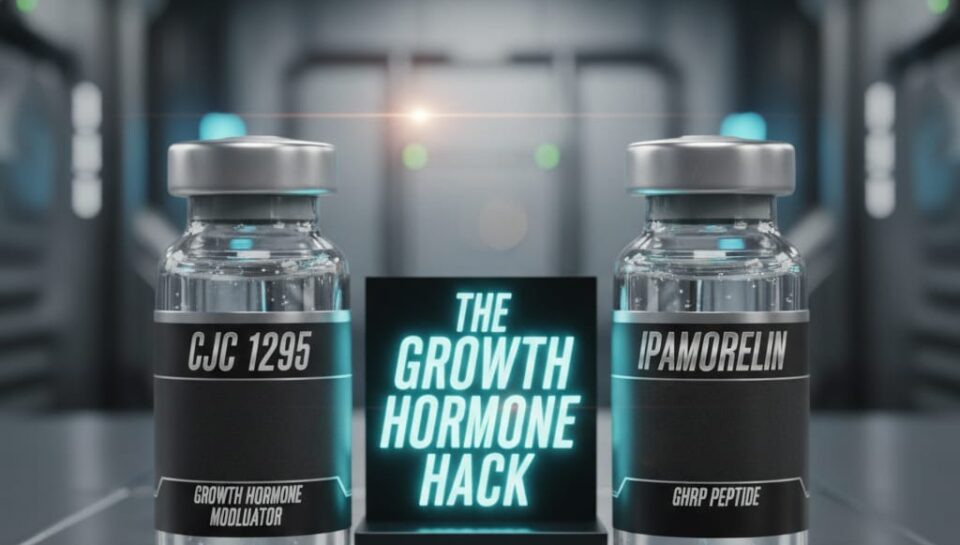
2. CJC-1295 and Ipamorelin: The Growth Hormone Hack
The Promise: This combination is often sold as the “fountain of youth.” The goal here is to stimulate the pituitary gland to release more of your own Human Growth Hormone (HGH). Unlike injecting straight HGH, which shuts down your natural production, this pair attempts to mimic the body’s natural pulsatile release. Patients look for better sleep, sharper cognition, faster recovery, and that elusive fat-loss-muscle-gain reconfiguration.
The Risk Profile: This is safer than exogenous HGH, but it is not free of consequences. Pushing the growth hormone pathway comes with a bill. The immediate side effects can include water retention (the “puffy” look), carpal tunnel-like symptoms, and potential impacts on glucose metabolism. If you are pre-diabetic, messing with growth hormone pathways can tip the scales in the wrong direction.
There is also the issue of “flushing” and intense hunger immediately post-injection with Ipamorelin. It affects the ghrelin receptors (the hunger hormone). You might be taking it to lose fat, but if it makes you raid the fridge at midnight, the net benefit is zero.
The Verdict: A viable alternative to HGH therapy for the right candidate, provided blood sugar is monitored religiously.
3. TB-500: The Mobility Molecule
The Promise: TB-500 is a synthetic fragment of the protein Thymosin Beta-4. Like BPC-157, it is a repair molecule, but it works differently. It focuses on the upregulation of actin, a cell building block essential for movement and structure. It is famously used in horse racing to prevent adhesions and reduce inflammation. In humans, it is sought after for flexibility and reducing the scar tissue that limits mobility after an injury.
The Risk Profile: The nuance here is in the “fragment” part. Thymosin Beta-4 is a naturally occurring protein. TB-500 is just a piece of it. We do not fully understand how isolating that fragment changes its long-term interaction with the immune system.
Moreover, because it promotes cell migration, the same theoretical risks regarding cancer metastasis apply here as they do with BPC-157. If you have a history of malignancy, this mechanism is potentially dangerous. The lack of human data means we are extrapolating safety from horses to humans, a leap that rarely holds up perfectly in clinical practice.
The Verdict: Potent for inflammation and flexibility, but strictly an experimental intervention in humans.
4. Semaglutide: The Heavyweight Champion
The Promise: You know this one. Sold under brand names like Ozempic or Wegovy, Semaglutide is a GLP-1 agonist. It is the only peptide on this list with robust, FDA-approved, long-term human data. It drastically slows gastric emptying and signals satiety to the brain. The weight loss results are not subtle; they are transformative, often rivalling bariatric surgery. Recently, the SELECT trial demonstrated significant reductions in cardiovascular events, proving it does more than just shrink waistlines.
The Risk Profile: Because it is approved, we know exactly what the risks are. And they are not pleasant. Nausea, vomiting, and “gastric paralysis” are real possibilities. There is also the issue of sarcopenia (muscle loss). If you lose 20 pounds, but 8 of them are lean muscle tissue, you have arguably worsened your metabolic health, not improved it.
Then there is the “rebound.” The data suggests that when patients stop the drug, the weight often returns if lifestyle changes were not solidified. This is not a cure; it is a management tool.
The Verdict: The gold standard for efficacy, but requires aggressive management of nutrition and resistance training to prevent frailty.
5. GHK-Cu: The Cosmetic Time Machine
The Promise: Copper peptides are the darlings of the skincare world. GHK-Cu is a naturally occurring copper complex that declines as we age. It is credited with tightening loose skin, improving elasticity, and stimulating collagen production. While usually applied topically, injectable forms are gaining traction for systemic anti-aging and hair regrowth.
The Risk Profile: This is one of the safer entries, but the “more is better” fallacy is dangerous here. Copper is a heavy metal. Your body maintains a delicate balance between copper and zinc. Excessive use of GHK-Cu can lead to copper toxicity, which manifests as fatigue, nausea, and varying degrees of neurological trouble. The margin for error is smaller than people realize.
The Verdict: Excellent safety profile when used topically or in low, cycled doses. High risk of mineral imbalance if abused.
The Conclusion
Understanding peptide therapy risks and benefits requires moving past influencer claims and focusing on evidence, regulation, and patient safety. Until stronger clinical data exists, peptides should be approached cautiously and never as shortcuts to longevity.
The allure of peptides is understandable. They offer targeted solutions in a medical system that often relies on blunt instruments. But the “natural” label attached to peptides often lulls patients into a false sense of security. These are powerful signaling molecules that alter cellular function.
The difference between a bio hack that ruins your hormones and a therapy that changes your life is usually the supervision under which it is administered. This is not a DIY project. It requires blood work, monitoring, and a clinical understanding of contraindications.
For those interested in navigating this complex landscape with medical oversight, Eterna Wellness MD provides structured peptide therapy protocols. We focus on the data, the safety profile, and the individual physiology of the patient to ensure that the pursuit of optimization never comes at the cost of health.