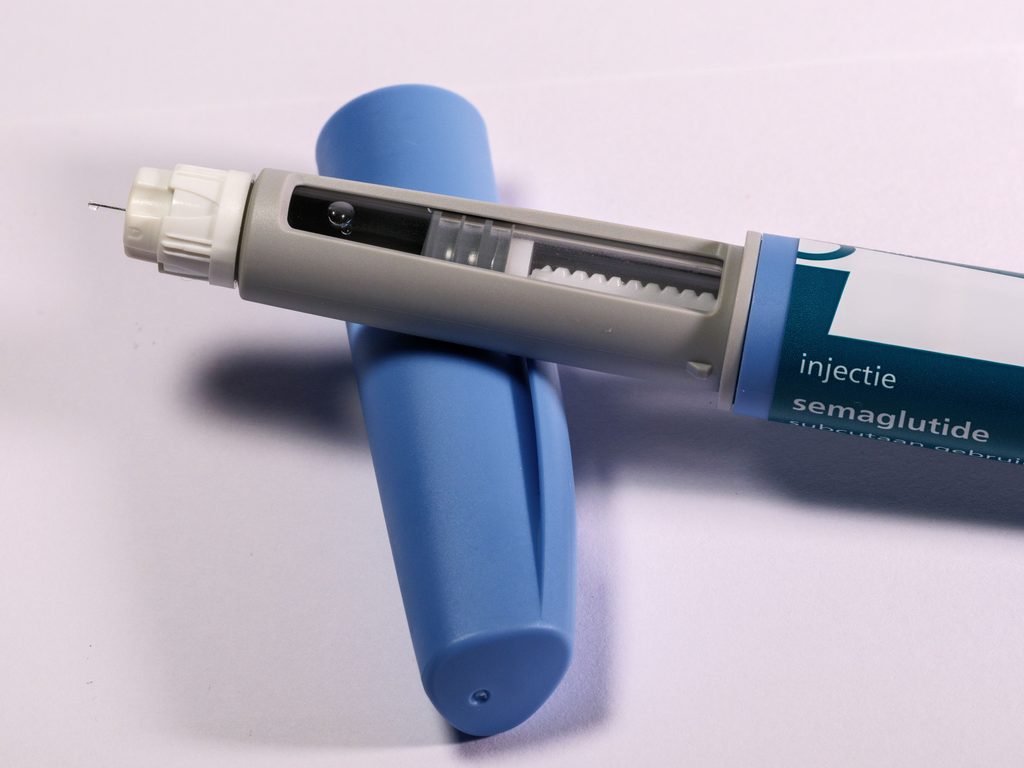
GLP-1 Therapy: Benefits, Risks, Muscle Loss and How to Use It Safely
GLP-1 Therapy: Benefits, Risks, Muscle Loss and How to Use It Safely
GLP-1 therapy has become one of the most discussed topics in health and weight management.
Medications such as semaglutide and other GLP-1 receptor agonists have changed the way we approach obesity, diabetes and metabolic health. But with their growing popularity has come a lot of confusion.
Are GLP-1 medications a miracle cure? Are they dangerous?
Is taking them “cheating”? Should everyone who wants to lose weight take them?
The answer to all of these questions is more nuanced.
GLP-1 therapy is a medical treatment. It can be highly effective for the right patient, but it should not be treated as a cosmetic shortcut or a replacement for healthy habits.
Watch the podcast here. In this episode of Intentional Medicine, Dr. Singh discusses GLP-1 therapy, who may benefit from it, its overlooked risks and why nutrition, movement and muscle protection matter.
What Is GLP-1 Therapy?
GLP-1 therapy refers to medications that act on pathways involving glucagon-like peptide-1, a hormone involved in blood sugar regulation, appetite and satiety.
These medications can:
Help regulate blood glucose
Reduce appetite
Increase feelings of fullness
Slow gastric emptying
Support weight management
Improve several metabolic health markers in appropriate patients
GLP-1 medications were originally developed primarily for the management of type 2 diabetes. Researchers and clinicians then observed significant weight loss among many patients using these medications.
This led to further research and, eventually, approval of certain medications for chronic weight management in eligible patients.
Today, GLP-1 therapy has become an important tool in the treatment of obesity and metabolic disease.
But the way these medications are being discussed on social media is often very different from how they should be used in medical practice.
GLP-1 Therapy Should Be Based on the Whole Patient
One of the biggest mistakes in weight management is focusing only on the number on the scale.
A patient’s weight tells us something, but it does not tell us everything.
Before starting GLP-1 therapy, a medical evaluation should consider the patient’s:
Medical history
Current medications
Dietary habits
Physical activity
Sleep
Stress
Previous weight-loss attempts
Body composition
Waist circumference
Visceral fat
Muscle mass
Metabolic health
Personal goals
Laboratory testing may also be appropriate depending on the patient’s history and clinical situation. This can include tests such as a CBC, metabolic panel, HbA1c, lipid panel and thyroid testing when indicated.
The goal is not simply to ask, “How much weight do you want to lose?”
The better question is:
“How is your weight affecting your overall health, and what is the safest way to improve it?”
Who May Be a Candidate for GLP-1 Therapy?
Eligibility for weight-management medications depends on the specific medication, the patient’s medical history and applicable prescribing criteria.
Generally, weight-loss medications may be considered for adults with obesity or for adults who are overweight and have weight-related medical conditions.
But it should never be prescribed based on BMI alone.
A responsible assessment can also consider:
Blood pressure
Blood glucose
Insulin resistance
Waist circumference
Visceral fat
Fatty liver disease
Cardiovascular risk
Sleep apnea
Mobility
Weight-related joint problems
Other obesity-related conditions
Previous attempts at weight management
The patient’s goals matter too.
Someone who wants to lose a few pounds for a wedding is not necessarily in the same clinical situation as someone whose excess weight is contributing to diabetes, sleep apnea, mobility problems or cardiovascular risk.
If you’re considering a medically supervised approach to weight loss, read our guide on What Is the Best Medical Weight Loss Program in Peoria? to understand what to look for in a program, including medical oversight, medication options, nutrition support and ongoing monitoring.
GLP-1 Therapy and Muscle Loss: The Overlooked Problem
One of the most important conversations around GLP-1 therapy is not just how much weight a person loses.
It is what that weight loss consists of.
Weight loss can include both fat mass and lean mass. Without appropriate nutrition and resistance training, losing weight can also mean losing valuable muscle.
As Dr. Singh explains in the podcast:
“GLP does not differentiate between fat and muscle.”
That is why a weight-loss plan should not stop at calorie reduction or appetite suppression.
Patients using GLP-1 therapy should discuss adequate protein intake, resistance training and appropriate nutrition with their healthcare provider.
Preserving muscle is particularly important because muscle contributes to:
Strength
Mobility
Physical function
Metabolic health
Independence as we age
The goal should not simply be to become lighter.
The goal should be to become healthier while protecting muscle and function.
GLP-1 Therapy and Nutrition: Why Protein Matters
GLP-1 medications can significantly reduce appetite.
For many patients, this is one of their biggest benefits.
But there is another side to appetite suppression.
If you are eating substantially less but not paying attention to the quality of your diet, you may not consume enough protein, vitamins, minerals or other essential nutrients.
This can contribute to problems such as:
Fatigue
Low energy
Poor recovery
Hair shedding
Nutritional deficiencies
Loss of lean mass
That does not mean every patient taking GLP-1 therapy will experience these problems.
It means that nutrition needs to be actively considered during treatment.
A good treatment plan should ask:
Are you losing weight while still giving your body what it needs?
GLP-1 Therapy Side Effects: What Patients Should Know?
The most commonly discussed side effects of GLP-1 medications involve the gastrointestinal system.
Depending on the medication and individual patient, these may include:
Nausea
Vomiting
Diarrhea
Constipation
Abdominal discomfort
Acid reflux or related gastrointestinal symptoms
These effects can vary from person to person and may be influenced by dose and dose escalation.
Some patients may also experience more serious complications. These can include pancreatitis, gallbladder problems and dehydration-related kidney injury, particularly in the setting of significant or persistent vomiting.
Certain GLP-1 medications also carry important warnings and contraindications related to thyroid C-cell tumors based largely on findings from animal studies. Patients with relevant personal or family histories should discuss this carefully with their healthcare provider before considering treatment.
This is why GLP-1 therapy should be medically supervised rather than treated as a casual weight-loss product.
GLP-1 Therapy and Rapid Weight Loss
Rapid weight loss may sound attractive.
But faster is not always better.
When weight comes off too quickly, patients may struggle with:
Fatigue
Poor nutrition
Muscle loss
Hair shedding
Changes in physical appearance
Difficulty maintaining the result
Some people may also regain weight after stopping medication, particularly if the underlying lifestyle and metabolic factors have not been addressed.
This is why the success of GLP-1 therapy should not be measured only by how quickly the scale moves.
GLP-1 Therapy Should Work With Nutrition, Movement and Sleep
Medication should support the foundation of good health.
It should not replace it.
A comprehensive GLP-1 therapy plan should consider:
Nutrition
Adequate protein and overall nutritional quality are important during weight loss.
Resistance Training
Resistance training can help support muscle and strength during weight loss.
Sleep
Poor sleep can influence hunger, cravings, insulin sensitivity and eating behavior.
Movement
Regular physical activity supports cardiovascular health, metabolic health and physical function.
Stress Management
Stress can influence eating behavior, sleep and adherence to healthy routines.
The medication can create an opportunity for change.
The habits help make that change sustainable.
GLP-1 Therapy Can Create a Window of Opportunity
One of the most interesting aspects of GLP-1 therapy is the way appetite reduction may give some patients the mental space to work on their habits.
For someone who has spent years dealing with intense hunger or constant food thoughts, reduced appetite may make structured meals and healthier choices feel more manageable.
That creates an opportunity.
The question is what the patient does with it. Can they:
Learn how to build balanced meals?
Increase their protein intake?
Begin resistance training?
Improve their sleep?
Become more physically active?
Develop habits they can maintain long term?
GLP-1 therapy can be a tool. It should not become the entire treatment plan.
GLP-1 Therapy for Patients With Weight-Related Health Problems
Weight can sometimes create a cycle that makes further weight loss difficult.
For example, a person with obesity may develop severe joint problems. Those joint problems can make walking and exercise difficult. Reduced activity can then contribute to further weight gain.
In situations like this, GLP-1 therapy, when clinically appropriate, may be one part of a broader strategy.
Even modest weight loss may help some patients move more comfortably and participate more actively in physical therapy or exercise.
The goal is not simply losing pounds.
The goal is improving the patient’s ability to live, move and function.
GLP-1 Therapy and the “Quick Fix” Mindset
The biggest problem with treating GLP-1 therapy as a shortcut is that it focuses only on getting the weight off.
Good medical care asks a different question:
How do we improve health while losing weight and maintain those improvements over time?
If a patient loses weight but becomes nutritionally deficient, loses significant muscle, feels exhausted and has no plan for maintaining the result, the treatment has not addressed the whole picture.
Weight management is not just about losing weight.
It is about what happens during the weight loss and what happens after it.
Questions to Ask Before Starting GLP-1 Therapy
If you are considering GLP-1 therapy, have an honest conversation with your healthcare provider.
Consider asking:
Why do you believe I am a good candidate for GLP-1 therapy?
What specific benefit are we trying to achieve?
What are the potential side effects and risks?
Do I have any contraindications?
What monitoring will I need?
How will we protect my muscle mass?
How should I adjust my nutrition?
Should I begin resistance training?
What should I do if I develop side effects?
How will we measure whether the treatment is working?
How long might I need treatment?
What is the plan for maintaining my results?
What happens if we eventually reduce or stop the medication?
What medication am I receiving, and where is it sourced from?
What will the treatment cost over time?
If the entire conversation is simply, “Here is your medication. Come back when you need a refill,” it may be worth asking whether you are receiving the level of comprehensive care you need.
GLP-1 Therapy and Ethical Medical Care
There is stigma on both sides of this conversation.
Some people treat GLP-1 medications as a miracle cure.
Others believe taking medication for obesity means someone is taking a shortcut or “cheating.”
Neither approach is helpful.
Obesity is a complex medical condition influenced by biology, environment, behavior, genetics and other factors.
Using medication to treat a medical condition is not cheating.
At the same time, GLP-1 therapy is not magic.
It does not automatically create healthy nutrition, strong muscles, good sleep or emotional well-being.
Patients still need a thoughtful plan.
Ethical care means explaining both the benefits and limitations of treatment, discussing alternatives, being transparent about risks and allowing patients to make informed decisions without pressure or shame.
GLP-1 Therapy: What Sustainable Success Looks Like
A successful GLP-1 therapy program should look beyond the scale.
Other measures may include:
Waist circumference
Body composition
Blood glucose
HbA1c
Blood pressure
Lipid levels
Physical strength
Mobility
Energy
Sleep
Overall quality of life
A patient who loses weight while becoming stronger, more energetic and metabolically healthier may be achieving a better outcome than someone who simply loses weight rapidly.
That is the difference between weight loss and health improvement.
The Bottom Line
GLP-1 therapy is neither a miracle cure nor something that should automatically be dismissed.
It is a powerful medical tool.
For the right patient, it can support weight management and improve important aspects of metabolic health. But the medication works best when it is part of a broader, individualized treatment plan.
GLP-1 therapy is not a shortcut. It is a powerful medical tool that works best when it is intentionally prescribed, responsibly supervised and combined with nutrition, movement, sleep and stress management.
If you are considering GLP-1 therapy, speak with a qualified healthcare professional who can evaluate your individual medical history, goals, risks and nutritional needs before starting treatment.
This article is for educational purposes only and does not replace individualized medical advice, diagnosis or treatment.
At Eterna Wellness MD, we are driving a paradigm shift in healthcare—from treating illness to cultivating lasting wellness. Our philosophy is rooted in a holistic approach that considers the whole person: body, mind, and spirit.