









How Long Does Botox Last? Your Complete Guide
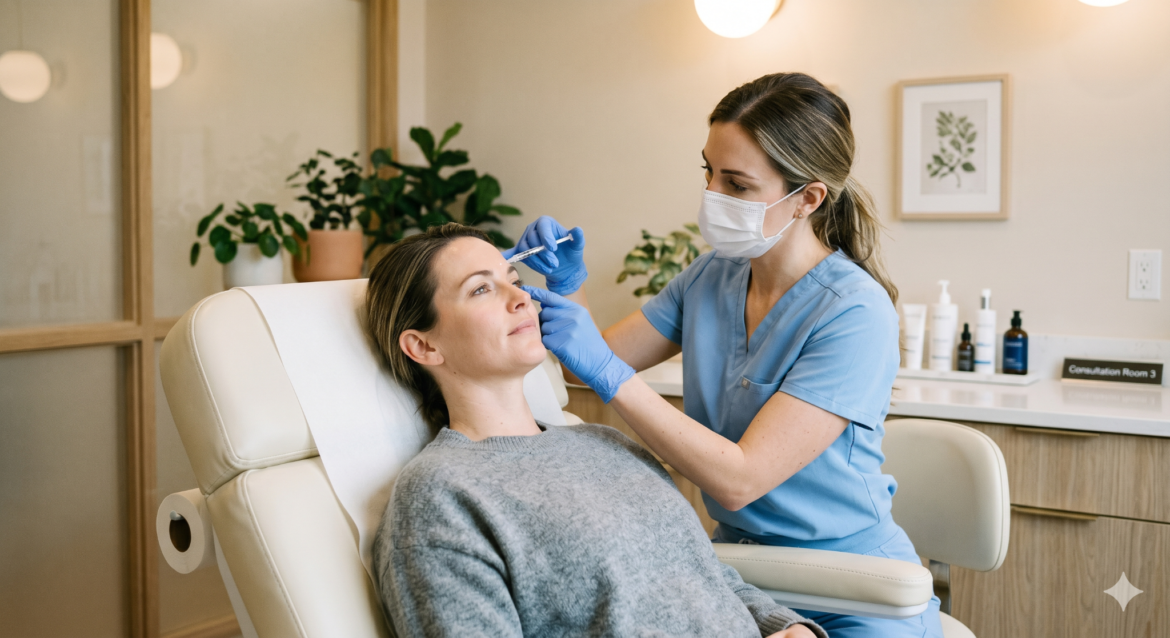
Botox remains the top non-surgical cosmetic procedure worldwide, with over 9 million injections performed globally. Understanding botox duration helps set realistic expectations for smoother skin and fewer wrinkles. What Is Botox and How Does It Work? Botox, or botulinum toxin

What Is Group Therapy? Definition, Types, Techniques, and Efficacy
Group therapy is a form of psychotherapy where one or more trained therapists work with a small group of individuals (typically 5-15 people) to address shared or individual mental health concerns. It is guided by structured, evidence‑based methods such as

What Is Somatic Therapy? Meaning, Benefits, and How It Works
Somatic therapy is a body‑centered mental health approach that treats trauma, anxiety, depression, and chronic stress by working with physical sensations, breath, posture, and movement. For U.S. adults especially those in smaller markets like Peoria, USA it offers a practical,

5 Key Benefits of PRP Therapy for Chronic Pain
Platelet-Rich Plasma (PRP) therapy harnesses your body’s own platelets to promote healing in chronic pain conditions like osteoarthritis and tendonitis. This minimally invasive treatment is gaining traction as a natural alternative to medications and surgery. This blog includes 5 key

What is Emfemme 360 Vaginal Rejuvenation- Meaning, Benefits and How it Works?
Vaginal rejuvenation refers to non-surgical or surgical treatments that restore vaginal tightness, function, and comfort after changes from childbirth, aging, or menopause. It means improving vaginal laxity, dryness, and related issues for better intimate health. The global vaginal rejuvenation market

Navigating Perimenopause and Menopause: A Guide to Hormonal Wellness in Peoria
Perimenopause and menopause are physiologic transitions driven by changing hormone production that commonly cause physical, emotional and cognitive symptoms. Understanding the endocrine basis helps guide management. This guide summarises symptom patterns, evidence-based hormone therapy options, and adjunctive lifestyle strategies for